Long Island offers some of the best access to true blue water fishing on the East Coast. From the rips and midshore grounds off Montauk to the continental shelf edge and canyons farther out, the waters south and southeast of the island produce tuna, mahi, sharks, and more during the warmer months. This guide focuses on the local fishery itself—species, timing, tactics, and practical considerations—so you can plan smarter trips.
The Main Playing Field
Most offshore action begins from the East End, particularly Montauk, which provides the shortest runs to productive water. From there, anglers typically target:
- Nearshore to midshore grounds (roughly 10–40 miles out) — Often the first stop for bluefin tuna and sharks when bait and temperature breaks set up closer in.
- The continental shelf edge and canyons — Hudson Canyon (one of the largest and most productive), Block Canyon, Atlantis Canyon, and nearby structure. These runs are longer (often 60–100+ nautical miles depending on the canyon and departure point) and reward boats prepared for extended time at sea.
Success hinges on reading water temperature breaks, chlorophyll edges, bait concentrations (sand eels, mackerel, bunker, squid), and signs of life such as birds, whales, or surface activity.
Seasonal Overview
Offshore fishing on Long Island is strongly seasonal and weather dependent.
- Late spring into early summer (May–June): The season builds as water warms. Early bluefin can appear, and shark fishing begins to pick up. Stripers and bluefish remain strong closer to shore and around Montauk Point.
- Peak summer (July–August): Prime time for mixed tuna (bluefin, yellowfin, and sometimes bigeye), mahi, and sharks. Canyon trips become more consistent as warm water and bait stabilize.
- Late summer into fall (September–October): Often some of the best fishing of the year. Larger tuna, strong mahi action around weed lines and temperature breaks, and continued shark opportunities. Bluefin can remain active into the fall on midshore grounds.
- Late fall: Action winds down as water cools, though bluefin may linger in productive years. Focus shifts back toward inshore and nearshore targets.
Conditions can change quickly with Gulf Stream eddies, wind, and bait movements. Real-time reports, satellite imagery, and local knowledge are essential.
Primary Target Species
Tuna
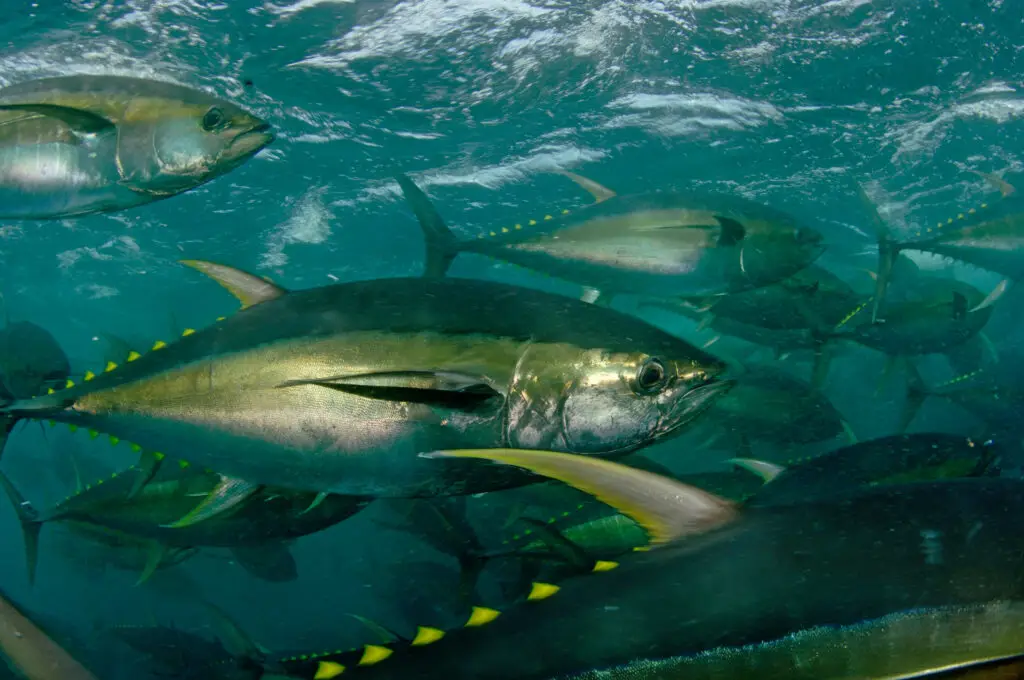
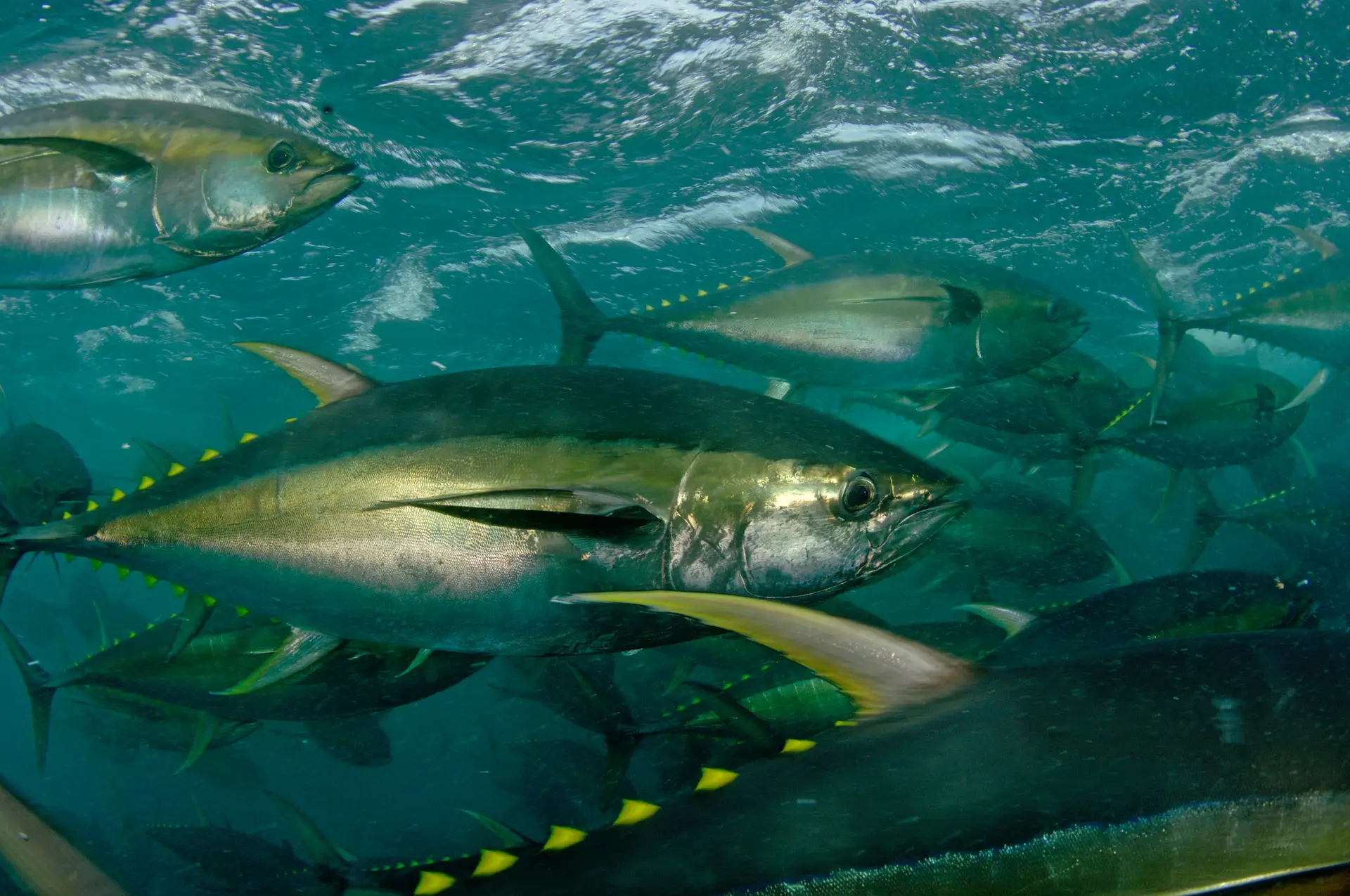
Bluefin often show first and can be found closer to shore or on midshore lumps. Yellowfin and bigeye become more consistent farther out in the canyons during peak summer and early fall. Techniques include trolling spreader bars, daisy chains, and rigged ballyhoo during the day, with chunking (butterfish, sardines, or similar) and nighttime drifts producing well for bigger fish.
Mahi (Dolphin)
These colorful fish arrive with warmer water and are frequently found around floating debris, weed lines, and temperature breaks. They provide excellent action and table fare when the bite is on.
Sharks
Blue, thresher, and other allowed species are targeted, especially on midshore and canyon trips. Many shark trips are now release-oriented. Proper handling, circle hooks, and current regulations are critical.
Other possibilities
Wahoo, occasional billfish (white or blue marlin), and swordfish can appear on canyon trips, particularly when warm water is present. Bottom fishing for tilefish or other deep-water species is an option on longer runs for those equipped for it.
Practical Tips for Success
- Match the bait and conditions. Follow temperature breaks and bait schools. Whales and birds are often reliable indicators.
- Tactics by situation. Trolling covers water and finds active fish. Chunking or live baiting holds fish once located. Jigging can be effective when tuna are deeper or more selective.
- Timing. Dawn, dusk, and overnight periods are frequently productive for tuna. Daytime trolling works well when fish are surface-oriented.
- Preparation. Longer canyon runs demand solid electronics, reliable power, adequate fuel range, safety gear, and weather awareness. Conditions can deteriorate quickly offshore.
- Bait and tackle. Fresh or high-quality frozen bait makes a difference. Spreader bars, cedar plugs, ballyhoo, circle hooks for chunking, and appropriate heavy tackle for larger tuna and sharks are standards.